Why there's so much conflicting advice on the cyclospora outbreak

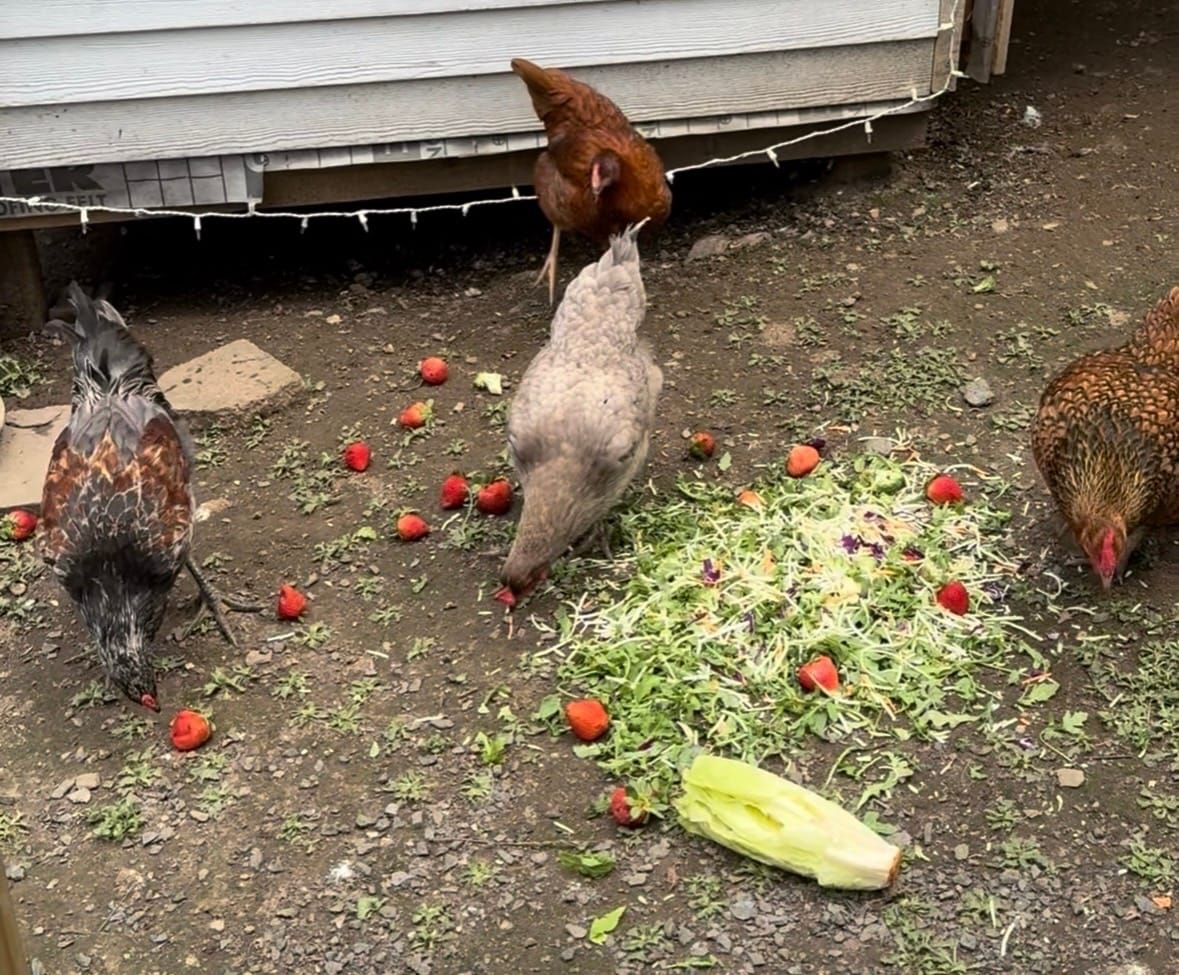
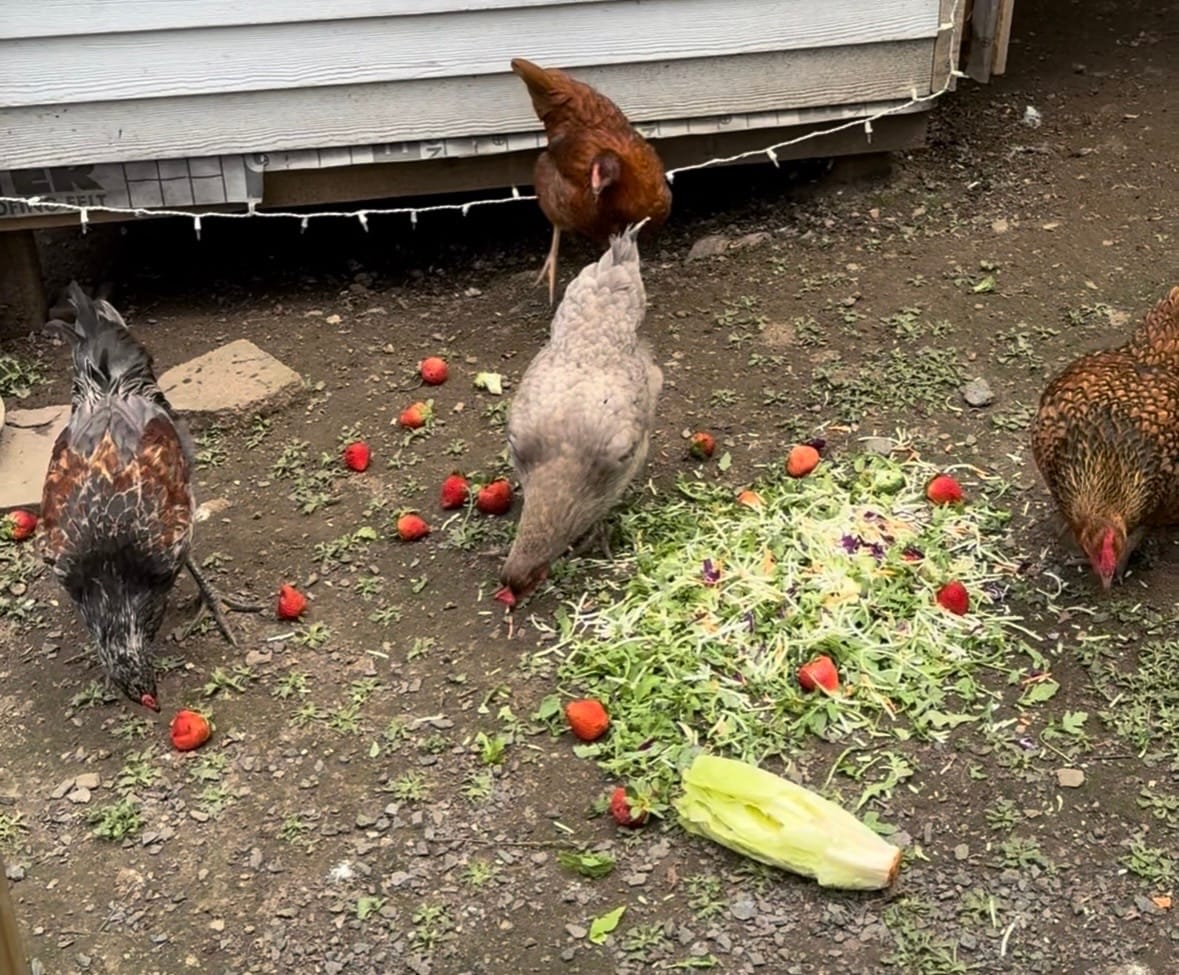
Two days ago I decided to throw out my bagged greens and strawberries due to the ongoing cyclospora outbreak and give them to my chickens. I thought that might make a nice reel explaining the outbreak, so I filmed it.
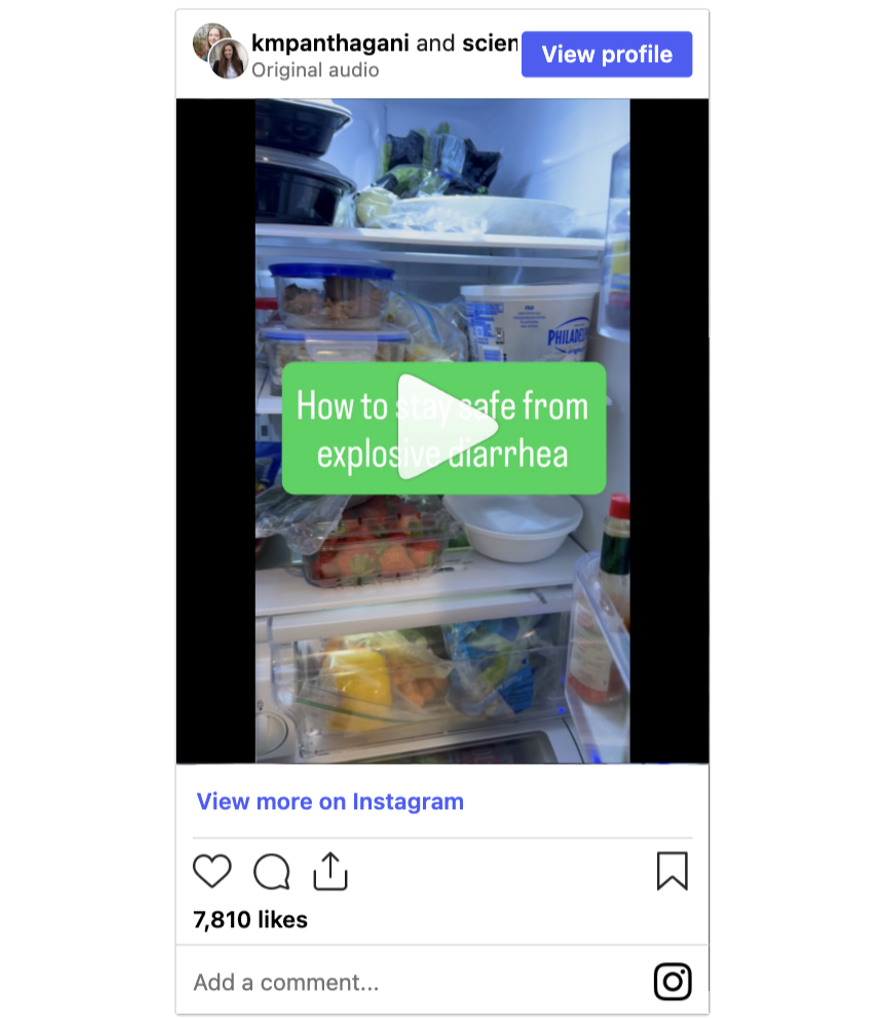
Shortly after posting it, along with many comments worried about the bowel health of my hens, my feed was inundated with cyclospora news providing very conflicting advice. To wash? To cook? To toss? To decide this isn’t that big of a deal and ignore? To only eat Taco Bell? Often when public health news is trending, most of the people I trust and follow are on the same page in their messages, but this was an exception — even among people I trust guidance was conflicting.
As a person interested in both public health communication and not getting diarrhea this summer, I started looking into why advice for this particular outbreak has been so confusing. Here’s what I see going on:
1. There is a lot of uncertainty, so guidance isn’t precise.
We don’t know yet where this outbreak is coming from, so it’s hard to make specific recommendations on what foods people should avoid. Guidance is largely based on past outbreaks (salad mixes, vegetable trays, coleslaw, raspberries, basil, cilantro, berry mixes, lettuce, and snap peas have all been past sources.) Some guidance is providing more broad recommendations than others.
We don’t know how big the outbreak is. This is now the largest outbreak in US history with over 3000 confirmed cases in over 31 states, but actual case counts are likely higher as many people stay home and never get tested (and for those who do seek medical care, cyclospora testing isn’t routine). This makes the ‘what are my chances of catching this’ question difficult to answer. That being said, compared to other causes of diarrhea, this number is still quite small — there are about 3 million ER visits for diarrhea every year in the US.
2. We are lacking in federal leadership.
There isn’t clear guidance from federal health agencies on what the public should do. For example, the CDC’s public page on preventing cyclosporiasis hasn’t been updated since 2024. The result: lots of different voices are filling the void, creating a muddy picture for the public.
3. Different people have different risk tolerances.
This, in my opinion, is one of the biggest factors creating confusion around what to eat and what to avoid. Some guidance focuses on eliminating risk of catching the parasite while other guidance emphasizes a risk reduction approach, recognizing that there is a cost to telling the whole country to cut down on their produce intake.
With that in mind, here is my unofficial risk stratification for the current cyclospora outbreak based on information we have so far. As always, this is imperfect (we don’t have precise data on the risk for every single category) and it will change once we have more information about where the outbreak is coming from. But hopefully it will help you navigate the conflicting sea of advice.
Higher risk options:
- Unwashed produce
- Bagged lettuce / salad kits
- Foods associated with past cyclospora outbreaks (salad mixes, vegetable trays, coleslaw, raspberries, basil, cilantro, berry mixes, lettuce, and snap peas, etc.)
- Produce that is difficult to wash thoroughly (like berries and leafy greens, which have small crevices where the parasite hangs out)
Lower risk options:
- Thoroughly washed and scrubbed produce without small crevices and not in the categories above. (Note washing reduces but does not eliminate the risk.)
- For lettuce, buying a head and removing outer leaves then washing.
- Produce from local farms (this is a national outbreak, and your local farm is unlikely to be the source.)
Even lower risk options:
- Produce with peel removed (bananas, etc.)
- Produce you grow yourself (unless you sprinkled some cyclospora on it).
- Cooked produce (cooking to 158F kills the parasite).
Personally, I’m taking the lower risk approach because I don’t have time for diarrhea right now and parasites gross me out. That means I’ve tossed my salad kits and strawberries and am buying produce from our local farm stand (I am lucky and have one close by.) That being said, the vast majority of produce in the US is not contaminated with cyclospora, and there are other completely reasonable approaches to take based on your risk tolerance and health background.
How big of a deal is cyclosporiasis?
Cyclospora infection can cause ongoing diarrhea for days to weeks, and in some cases can send people to the hospital due to dehydration. But it is rarely deadly — currently there are no reported deaths from this outbreak. Those with weakened immune systems, young children, and the elderly are at higher risk of serious infections. Thankfully, it is treatable with antibiotics.
And no, chickens can’t catch it. The ladies thoroughly enjoyed their salad.
Kristen Panthagani, MD, PhD, is completing a combined emergency medicine residency and research fellowship focusing on health literacy and communication. In her free time, she is the creator of the newsletters You Can Know Things and The Public Health Roundup. You can also find her on Instagram, Threads, and LinkedIn. Views expressed belong to KP, not her employer.