A new mom's experience falling down the algorithm rabbit hole

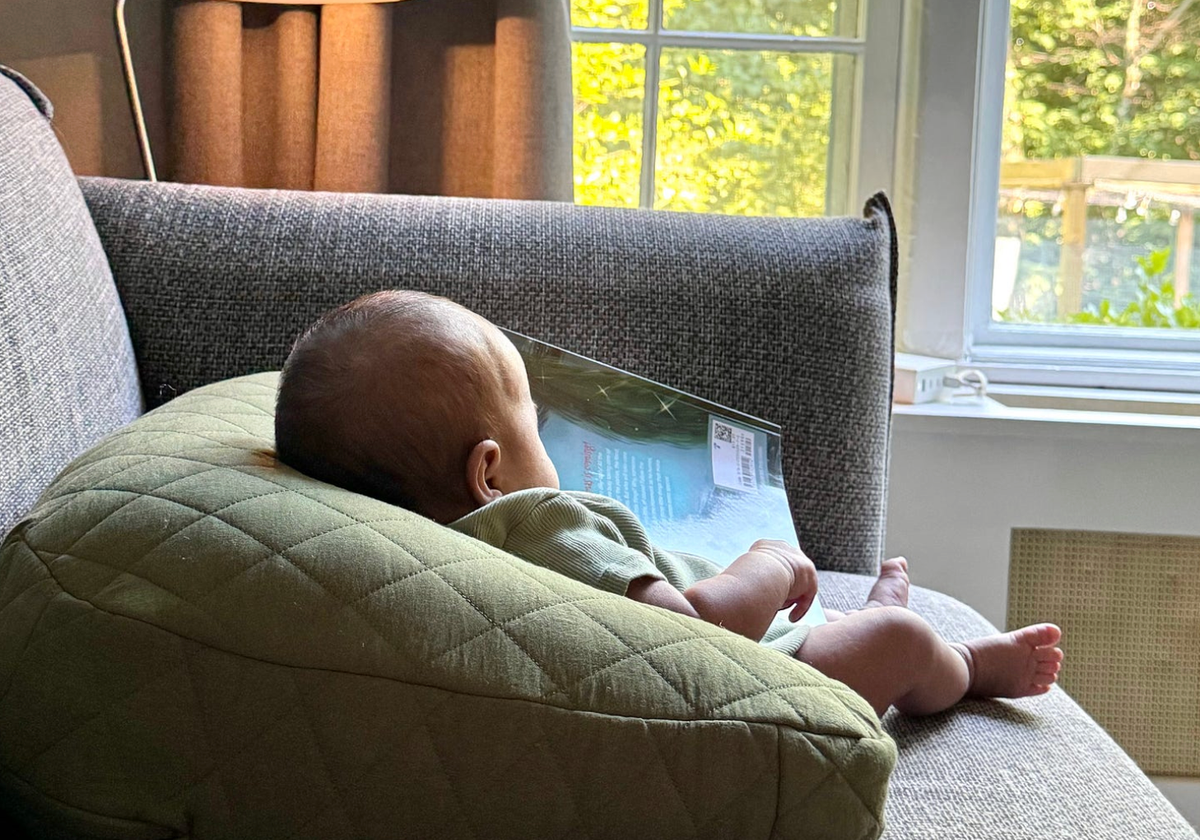
Let me tell you about a small snippet of hell called new mom instagram.
I didn’t announce my pregnancy for some time, and most people not in my immediate vicinity found out only after he was born. But my algorithm knew — it was remarkably precise tracking through first trimester, second trimester, third trimester, giving me tailored content sometimes down to the week of my pregnancy.
It’s probably not news to anyone that our algorithms are so fine tuned to our lives. We spend a little time lingering on a video or post, and the algorithm serves us up more of the same. Before I was pregnant, my instagram algorithm was almost exclusively videos about dogs and gardening, because those are two things I highly enjoy.

I use social media, I write about social media, and I study social media, so the algorithm shift when I got pregnant wasn’t too surprising to me.
But nothing quite prepared me for new mom instagram.
The worry → algorithm → health advice pipeline
Every couple months a new survey comes out measuring what percent of people turn to social media for health advice. Every time I read these surveys, I can’t help but think they’re asking the wrong question.
Most people aren’t opening up their instagram app and typing in a health question like a google search. While I have had many questions on this newborn learning curve, I haven’t looked for a single piece of information on any social media app.
But, scrolling Instagram to help me stay awake for those 12 am, 3:30 am, and 5:30 am feeds, that information has found me. Intermixed with viral videos of newborns doing cute newborn things is a pernicious tide of health advice that seeps into my mind before I realize what’s happening. Health advice that is well communicated, emotionally charged, unvetted, conflicting, and in some cases, potentially dangerous.

Example of a cute newborn video that — if you pause to watch it — tells your algorithm to serve you up unfiltered, unverified newborn health advice.
I am not immune
The algorithm shift sending me 37 different opinions on how to feed my newborn was already stressful enough. But the part that surprised me most was I started wanting to believe it.
Me — the physician-scientist who writes about the dangers of unvetted health information on social media. I even did half my PhD studying breast milk! You would think I of all people would be resistant to adopting health advice from a comments section.
Turns out, that’s not true. There is something unique about the combination of uncertainty, worry, and the algorithm that can draw anyone in – the impact of which I didn't fully understand until I experienced it myself. I had questions, and the algorithm was figuring out what those questions were and serving up answers, regardless of accuracy.
This isn't unique to parenthood
This experience is not unique to moms (though other parents I’ve spoken to have had similar experiences). This same social media vortex can happen to anyone with a new health worry, vulnerability, or unanswered questions — someone with a new cancer diagnosis or a newly sowed doubt about vaccines. The algorithm has a sneaky way of figuring out exactly what is worrying you, what your questions are, and providing content to fill that void.
So, what do we do about it?
There certainly isn’t an easy fix, aside from logging off of social media altogether (which for some is the best option). But as a society, eliminating social media isn’t likely to be a viable solution. Here are a few things we can do:
Recognize what’s happening, and don’t give empty solutions. For years, the proposed solution to the problem of inaccurate information on social media has been telling people to stop looking for information there. “Don’t turn to social media for health advice. Look at reliable sources. Ask your doctor.” But this advice misses what’s happening. Most people aren’t turning to social media with their questions — social media is figuring out what their questions are without them asking.
Recognize this can impact anyone. This isn’t about intelligence or education — it is a symptom of human nature and insidiously designed algorithms. If this can impact a physician who studies inaccurate health information online, it can impact anyone.
Ask the right questions. Surveys assessing the impact of social media on health need to reframe how they ask the questions — if they only ask about who is looking for information on these apps, they will miss the larger impact of algorithms that both identify and tailor content to each individual’s particular health worries.
Contribute and share accurate information (especially prebunking). Ironically, next week’s post in The Communication Lab is all about using Instagram for health communication. You may think after this month I want to delete the app — but I’m doing the opposite: working to contribute accurate information so there is a counterweight to the inaccurate content for those who fall down the rabbit hole. In particular, prebunking can help prepare people to resist manipulative tactics when they encounter them.
Have empathy. For me, this was the biggest takeaway — I have a newfound empathy for parents who are navigating a sea of conflicting health advice, especially around vaccines. While my newborn questions were not about the hepatitis B vaccine or the vitamin K shot, I understand how even a little bit of doubt can send parents in search of answers, a search that may lead them down an algorithmic quagmire of worry and conflicting advice.

As far as me and the little man, we are both doing well one month in. And I’m working on retraining my algorithm back to dogs and gardens (and spending more time with real life dogs and gardens.)
Kristen Panthagani, MD, PhD, is completing a combined emergency medicine residency and research fellowship focusing on health literacy and communication. In her free time, she is the creator of the newsletters You Can Know Things and The Public Health Roundup. You can also find her on Instagram, Threads, and LinkedIn. Views expressed belong to KP, not her employer.