The cognitive tricks fueling the peptide craze

In July a FDA panel voted to loosen restriction on the production of “peptides” in the United States. (In an absurd level of conflict of interest, the members of that FDA panel consisted largely of people who sell peptides.)
Peptides are an extremely broad class of biological molecules that consist of amino acids linked together, but commercially “peptides” have come to refer to something more specific: gray-market products sold as injections, powders, nasal sprays, and other formulations to allegedly promote healing, longevity, better skin, better hair, better muscles, and more.
There are several well-studied, FDA approved peptide therapeutics like insulin and GLP-1’s. But on the gray-market — which uses the legal loophole of selling “research grade” peptides imported from other countries directly to “researchers” (consumers) — the majority of peptides have very little (if any) data to back them. Instead, these products are often full of contaminants and may not even contain the peptide being marketed. The gray-market demand increased after 2023, when the FDA banned compounding pharmacies from producing many of these peptides due to safety concerns, including the risk that peptides may clump together and cause the immune system to react in unpredictable ways.
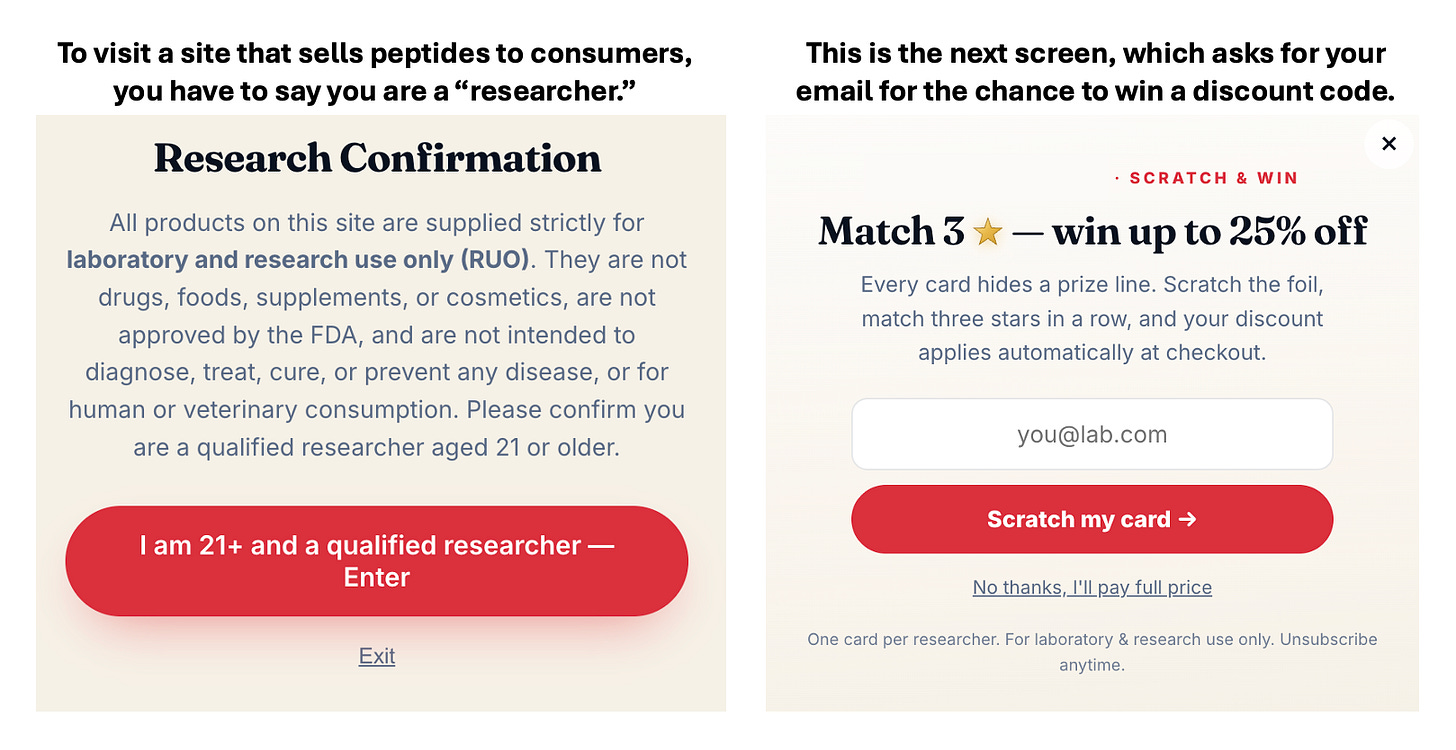
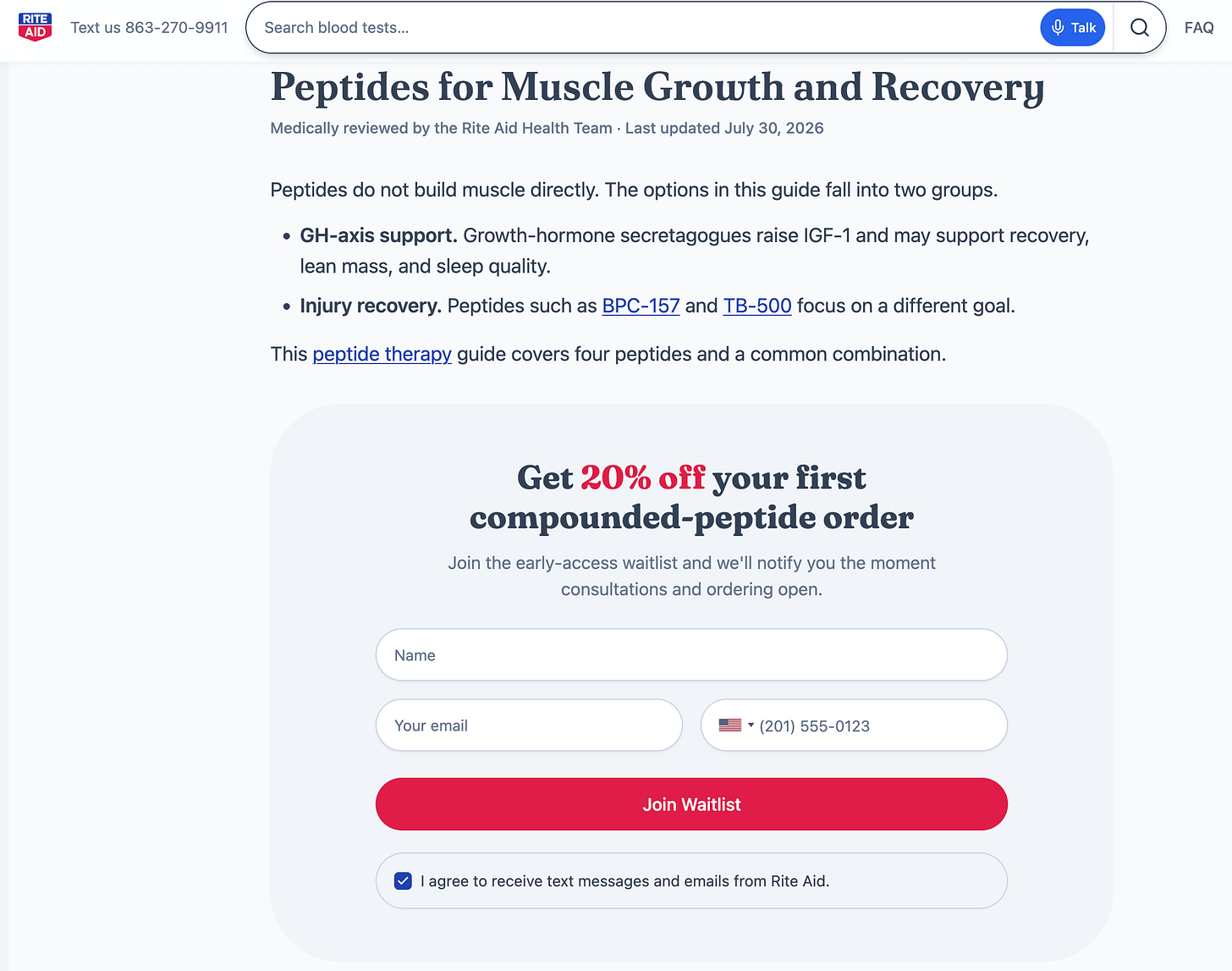
Peptides (often called peppers) are extremely popular: the peptide market is worth an estimated $3 billion. They will likely become more popular with this new FDA vote, which takes a step towards reversing the 2023 ban for six different peptides. Large pharmacies like RiteAid are already collecting emails for compounded-peptide orders. Advocates argue that allowing consumers to get peptides from US compounding pharmacies is safer than acquiring them on the gray market. FDA scientists, who were largely ignored at last week’s meeting, argue that even if peptides are made by US pharmacies, these products are still untested, unproven, and we don’t know if they’re safe.
The cognitive tricks
If they’re expensive, we have no idea if they work, and there’s a possibility they’re unsafe, what makes peptides so appealing? There are a couple cognitive tricks driving their popularity right now.
Cognitive trick #1: Peptides are “natural,” so they must be safe.
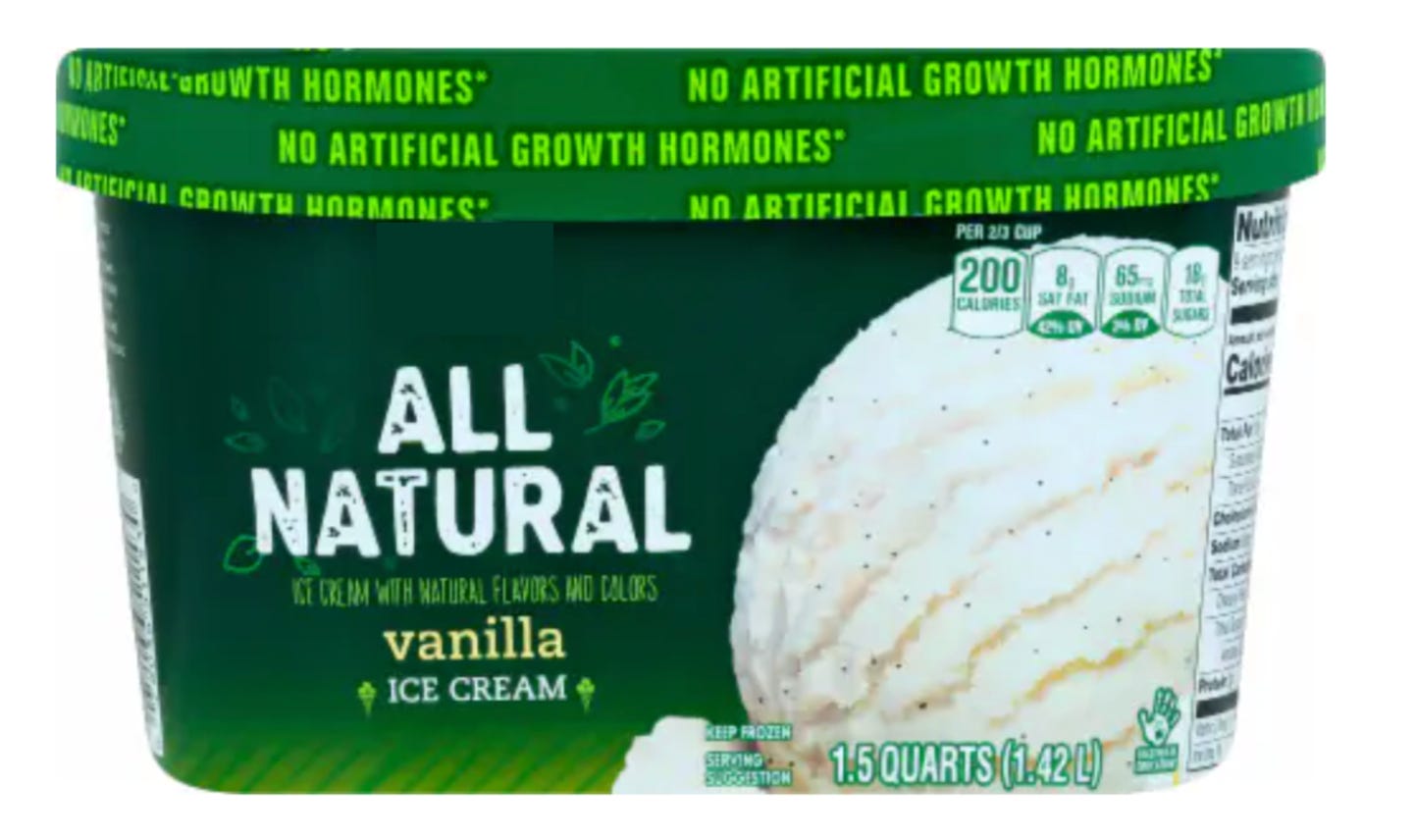
Peptides are a naturally occurring class of molecule, leading many to believe marketed peptides are safe and healthy. This is a logical error called the appeal to nature fallacy which assumes all natural things are safe and good for you. This fallacy is used widely in the marketing industry to distract people from what’s in their products and their lack of safety data or evidence to back up their claims. Want people to ignore ingredients and assume it’s healthy? Just call it “natural.” Below is one of my favorite examples. Is this ice cream… healthy?
Cognitive trick #2: I’ve heard so many stories of amazing results!
There are corners of the internet full of stories about the amazing results people are seeing with peptides, leading many to believe they really work. This is the anecdotal fallacy, a logical error which assumes stories are enough information to decide if something is effective. While we are hard-wired for stories as humans (which is why anecdotes are so compelling!), it turns out a random spattering of stories is often not enough information. There are many reasons why this happens — the people who had bad outcomes with peptide injections never shared their story, lack of results are explained away by a “bad batch,” the positive results were actually caused by something else, all those stories in the comments section were actually bots or paid promoters, etc. That’s why we need objective data from clinical trials — stories can be a starting point, but they don’t provide complete information.
Cognitive trick #3: Peptides help with cellular regeneration, longevity, inflammation, hormone balance…
There isn’t a formal fallacy for this one, so I’m going to make one up: the “bullshit jargon” fallacy. There are a bunch of science-y sounding words used in marketing that seem like they describe the scientific mechanism behind a product, but in reality, the words are so vague they don’t tell you anything meaningful. Phrases like “cellular regeneration,” “reduces inflammation,” “optimize gut health,” “hormone balance,” and more. These phrases are loosely based on real science, but they have little depth and are usually just a smoke screen for an untested product that has no known mechanism behind it.
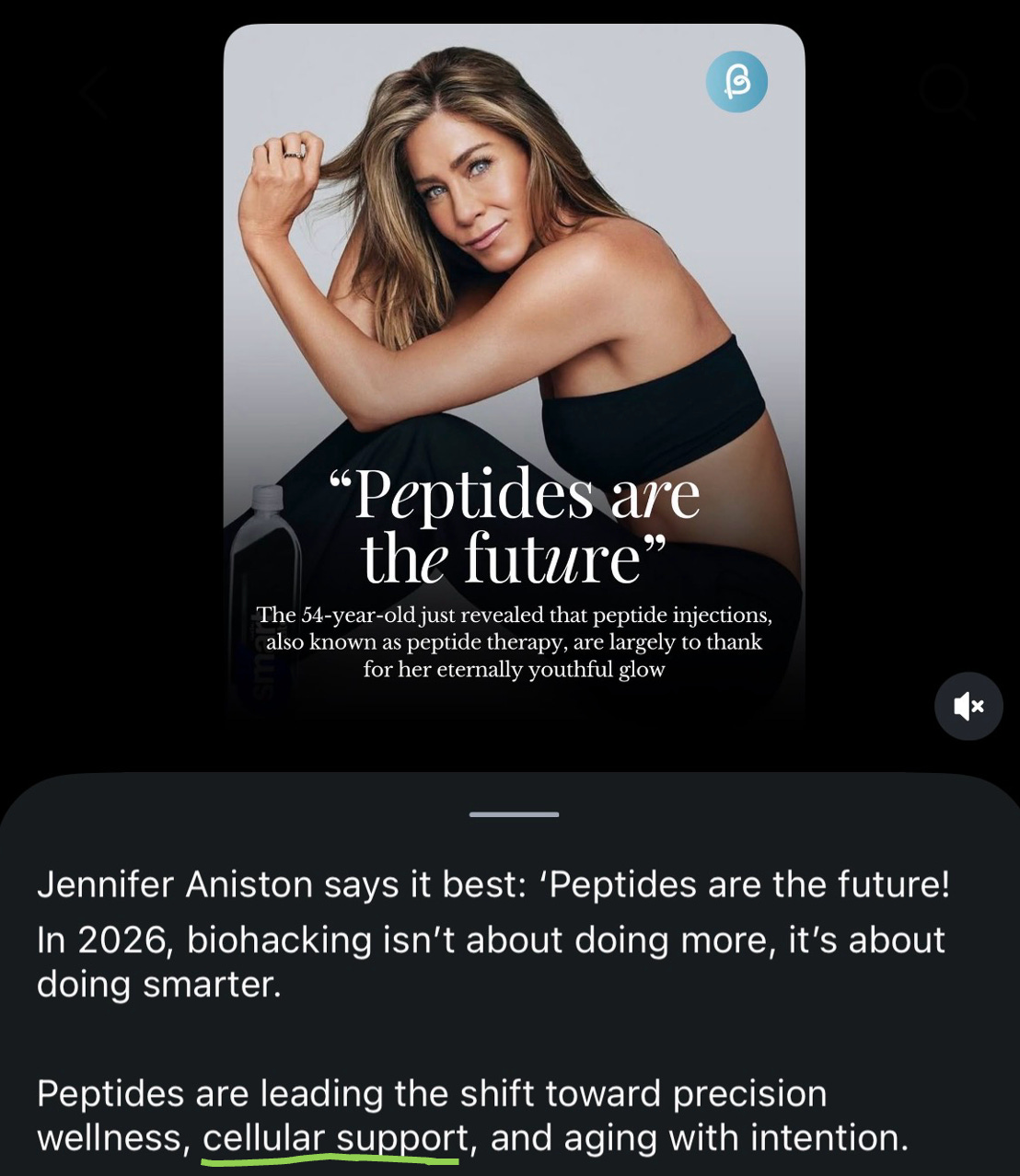
Cognitive trick #4: It worked for me! Here’s my discount code so you can look like this too.
Like the FDA panel, peptide marketing is rife with conflicts of interest. Many of the most influential voices promoting peptides are also selling them, which may motivate these influencers to exaggerate their benefits. It’s easy to convince yourself something works if that conclusion earns you thousands of dollars.
Cognitive trick #5: The system has failed you — and doctors are pushing back because they don’t want you in control of your health.
The healthcare system in the US is failing many Americans, leading them to rightfully believe that the “system” isn’t working for them as it should. But this valid frustration has become exploited by marketers to convince consumers that anything mainstream medicine disapproves of must actually be helpful, reminding them that our health system has let them down before. It’s a very manipulative tactic that preys upon people’s valid frustrations with things like unaffordable healthcare and doctors visits that are too short to fully meet their needs, and it uses that frustration to sell an expensive product that probably doesn’t work.
The verdict
“Peptides” are a very broad class of molecules that do a million different things in the body. Some peptides (like insulin) are extremely well studied and have known benefits in specific settings (like diabetes).
But most products marketed as “peptides” are not well studied, and the vast majority of marketing claims are not supported by research. Some peptides may help. Some may be harmful. Some will likely turn out to be an expensive placebo, and not worth the money. And there are lots of cognitive tricks trying to distract consumers from this likely outcome.
Thanks to The Evidence Collective for writing this brief which helped inform this post!
Kristen Panthagani, MD, PhD, is completing a combined emergency medicine residency and research fellowship focusing on health literacy and communication. In her free time, she is the creator of the newsletters You Can Know Things and The Public Health Roundup. You can also find her on Instagram, Threads, and LinkedIn. Views expressed belong to KP, not her employer.