A hantavirus update

I'm sending this not because I'm worried, but because the internet is stressing
The internet is stressing over the hantavirus cruise ship outbreak. But the hype does not match the risk — currently, my level of concern for the US population is low. Here’s a quick update, then go about your day.
What’s happening
An outbreak of hantavirus is happening on a cruise ship currently at sea heading to the Canary Islands. There have been 5 confirmed cases, 3 suspected cases, 3 people have died.
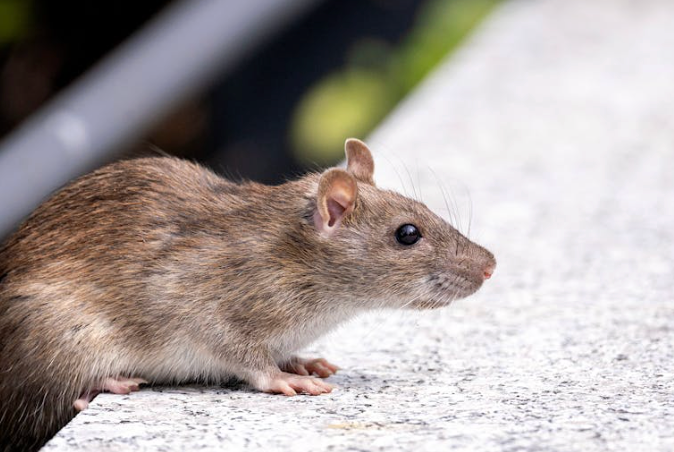
Hantavirus is not novel, we have cases of it in the US every year. It is a serious illness with a high fatality rate (30-40%). It’s typically spread through exposure to rats. This outbreak is caused by Andes virus, a type of hantavirus which is known to spread human-to-human. Previous data shows human-to-human transmission occurs with very close contact (sharing a bed, food, kissing, etc).
It’s currently unknown where passengers were exposed. It’s possible it originally started with two cruise passengers exposed on a bird watching excursion in Argentina. It’s suspected but not confirmed that some cases occurred due to human-to-human transmission on the ship.
Some passengers on the cruise ship have disembarked, including 7 passengers who have now returned to the US, and contact tracing is underway. Hantavirus starts with flu-like symptoms then can progress to severe lung, heart, and kidney problems. Symptoms can take 1-8 weeks to develop, but typically take 2-3 weeks.
Things that make this unlike COVID-19
Alright, the good news — why this does not look like COVID-19, and why I’m not stressing.
- Unlike COVID, this is not a novel virus behaving in new ways. It’s weird it’s on a cruise ship, but so far nothing else about the way the virus is behaving is new.
- The characteristics of the virus (high mortality rate, inefficient human-to-human transmission) make pandemic potential very low, and makes contact tracing much easier. COVID was the opposite: it had a much lower mortality rate and very efficient transmission, which made pandemic potential high (cause it’s hard to trace and contain.)
- There is no known risk of asymptomatic spread of the virus (people being contagious before showing symptoms). This is part of what made COVID spread so easily.
Things to keep in mind in an evolving situation like this one
- Early information may be inaccurate. Because hantavirus is rare, there are things about it we don’t know. Some early information may turn out to be inaccurate, and we may learn new things about this virus and how it spreads.
- Rumors spread like wildfire on the internet. There are lots of rumors swirling around, some will end up not being true. Be cautious about spreading unverified reports.
- More cases ≠ the next pandemic. There will likely be more cases reported in the coming days. This does not mean it is a pandemic.
- Stress is high, but current risk is low. People are understandably stressed because COVID is a recent memory. Stoking fear gets clicks, but it doesn’t help anyone. The risk on the cruise ship itself is high, and the situation for the passengers and their families is incredibly stressful. HOWEVER, the current risk to the US population is low.
If that changes and the virus ends up doing something unexpected, we’ll let you know. But right now, the stress and hype is far outpacing the risk.
Kristen Panthagani, MD, PhD, is completing a combined emergency medicine residency and research fellowship focusing on health literacy and communication. In her free time, she is the creator of the newsletters You Can Know Things and The Public Health Roundup. You can also find her on Instagram, Threads, and LinkedIn. Views expressed belong to KP, not her employer.