What life was like before vaccinations

Last year I took a train ride down from Connecticut to New York, passing the time creating this video on my iPad. As I was drawing the pertussis graph, the kind elderly gentleman seated across the table saw it and asked me what I was working on.
Share this video on Instagram, YouTube, or Facebook.
When I told him, he launched into a story about his experience with pertussis (whooping cough) as a child: he caught whooping cough as a school boy, and ended up coughing so hard that it injured his eye muscles, causing him to go cross-eyed. The coughing had caused enough damage that ultimately it required surgery to fix his vision.
Compared to the vitriolic comments sections I am used to, this story was so genuine and real. After we chatted a little longer, I texted a friend: “this is what we need — our grandparents telling the stories of these diseases so people remember what they used to do to kids.” I’ve personally never seen a case of polio, measles, or diphtheria outside a text book. And stories of lived experiences resonate so much louder than those textbook pages.
Immunizations are, in many ways, a victim of their own success — they did such a good job eliminating these infections, that we now have several generations (including mine) that don’t know what these diseases really are or how they impact kids.
Turns out, some others had the same great idea: we need the stories.
Grandparents for vaccines
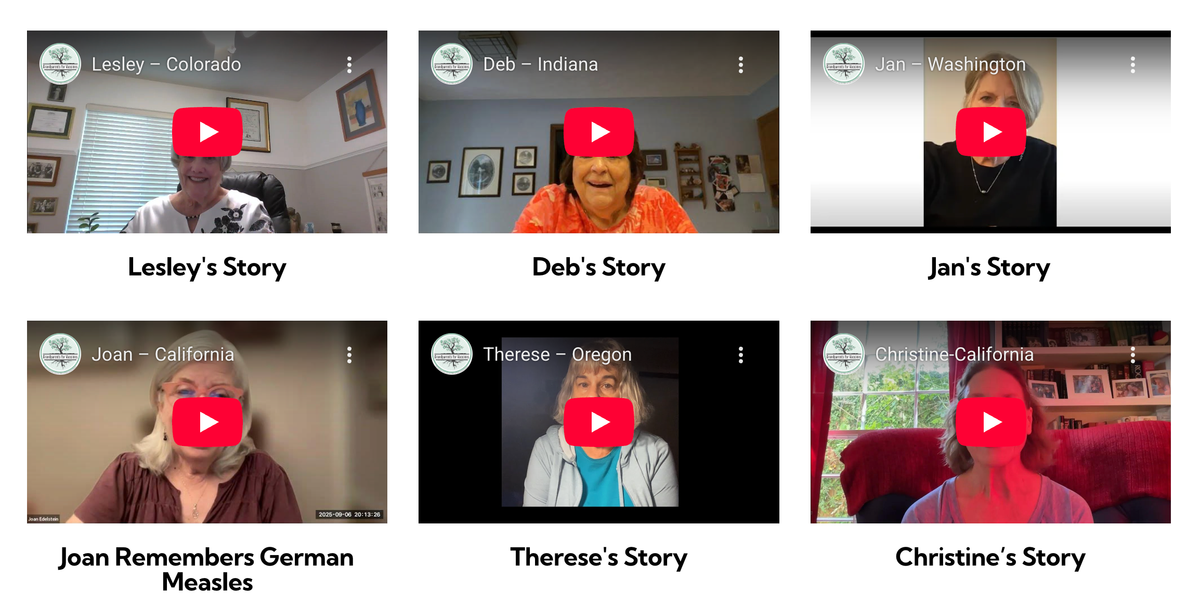
A new movement is aiming to solve this problem. Grandparents for Vaccines is an organization that aims to unite and elevate the voices of grandparents who remember what life was like before immunizations, and to teach younger generations so we don’t have to relive their experiences. Here’s one powerful story from Jan about her experience with polio as a child. There are many more stories you can watch here.
How can I help?
If this movement interests you, there are several ways to get involved.
- Share your story — if you have a story of how an immunization-preventable illness impacted you or a loved one, record your story and share it with Grandparents For Vaccines. (You don’t have to be a grandparent to participate!) If you don’t have a story but know someone who does, reach out and encourage them to share it.
- Follow, watch, and share on social media — People need to hear these stories. You can help by watching and sharing them: stories are posted on their website as well as on Facebook, YouTube, Instagram, TikTok, and Bluesky.
- Join the movement - Grandparents for Vaccines is looking for more state reps — if you’re interested in getting involved send them an email here.
Movements like this remind us that public health isn’t just built on data. The graphs and studies matter, but sometimes stories matter more. When people hear firsthand what these diseases once did to children, they stop feeling like distant, abstract medical facts and start feeling real. If we want today’s younger generations to understand why immunizations matter, we need to keep these memories alive — and make sure they’re heard.
Kristen Panthagani, MD, PhD, is completing a combined emergency medicine residency and research fellowship focusing on health literacy and communication. In her free time, she is the creator of the newsletters You Can Know Things and The Public Health Roundup. You can also find her on Instagram, Threads, and LinkedIn. Views expressed belong to KP, not her employer.