Worth the read: Food Intelligence

I am a binge reader — either a book captures my attention enough to complete in one weekend, or it sits on my shelf unread for months. This weekend I read a book that was the former, and so I decided to try something. Welcome to the first You Can Know Things book review,* where I share books that I think are worth your time.
The book is entitled Food Intelligence by nutrition scientist Kevin Hall, PhD and science journalist Julia Belluz. It is a smart, easily accessible dissection of food science and myths. It steers us away from quick fixes and fad diets and towards an appreciation of what our body does (even body fat!), understanding both adaptive and maladaptive responses to food and why we eat the way we do. I don’t think it’s possible to grow up in America without some sense of food shame, and I appreciate that the authors not only explain the science, but address how our food and wellness culture has so heavily influenced how we feel about what we eat (and the emotional baggage that comes with it). Obviously, I recommend you read the whole thing, but here are a few take aways I found particularly liberating.
- The myth of “it’s my metabolism’s fault.” Many of us were taught people are naturally thin or have a tendency to gain weight due to “fast” or “slow” metabolisms. And, we were told, any weight we did lose would likely be regained due to dieting putting the breaks on our metabolism even more. Dr. Hall decided to put this hypothesis to the test by studying contestants involved in the Biggest Loser weight loss show — the data showed something entirely different.
- The low carb versus low fat diet wars. This was honestly my favorite chapter, having grown up under the low carb era. While champions of the low-carb and low-fat positions will argue their way is best, Dr. Hall studied this empirically — and found marginal differences in body fat loss between the two. I will eat my pasta in peace.
- Eating is like breathing. Dieting culture tells us what we really need is willpower to make smart food choices, and if we just had enough motivation, we would lose weight. While our decision-making does play a role in what we eat, Food Intelligence teaches us the significant behind-the-scenes biology that drives subconscious decision-making in our food choices. They liken it to breathing — yes it’s true you can tell yourself to breathe faster or slower, but over the long-term, our behind-the-scenes biological drivers are really running the show when it comes to respiratory rate (and that’s a good thing). Trying to go against our biological cues is HARD, which is why the just-will-yourself-to-eat-less approach often fails over the long-term.
- It’s the food environment. While popular dieting wisdom puts the blame of weight gain squarely on the shoulders of each individual, when you step back, this explanation begins to unravel. The percent of individuals who are overweight or obese¹ has increased dramatically in the last several decades across age groups — did we all collectively lose our willpower at the same time? Food Intelligence argues that changes in individual willpower is largely not to blame for rising obesity rates. Instead, the book provides evidence that the ubiquitous availability of ultraprocessed foods (especially energy dense, hyperpalatable ones) have hijacked our subconscious drivers of eating, leading us to eat more. Again, he put this hypothesis to the test — in a landmark study comparing ultraprocessed and unprocessed diets, those eating ultraprocessed food ate an average of 500 more calories per day. Ultraprocessed foods now make up 70% of food available at grocery stores (and not all ultraprocessed foods are “bad.”) If we want America to eat healthier, addressing the food environment — which foods we have access to and can afford — is a critical first step. (¹The book also has a nicely nuanced explanation about the shortcomings of Body Mass Index (BMI), and explains it’s not so much the number on the scale, but the quality and function of fat tissue that impacts health.)
These are just the first few chapters — the book also discusses the pitfalls of personalized nutrition programs that claim your microbiome can tell you what to eat, takes a critical look at continuous glucose monitoring for people without diabetes, looks back at how the vitamin and supplement industry have often gotten ahead of the science, and makes recommendations for what we can do as individuals and as a society to move towards a healthier diet.
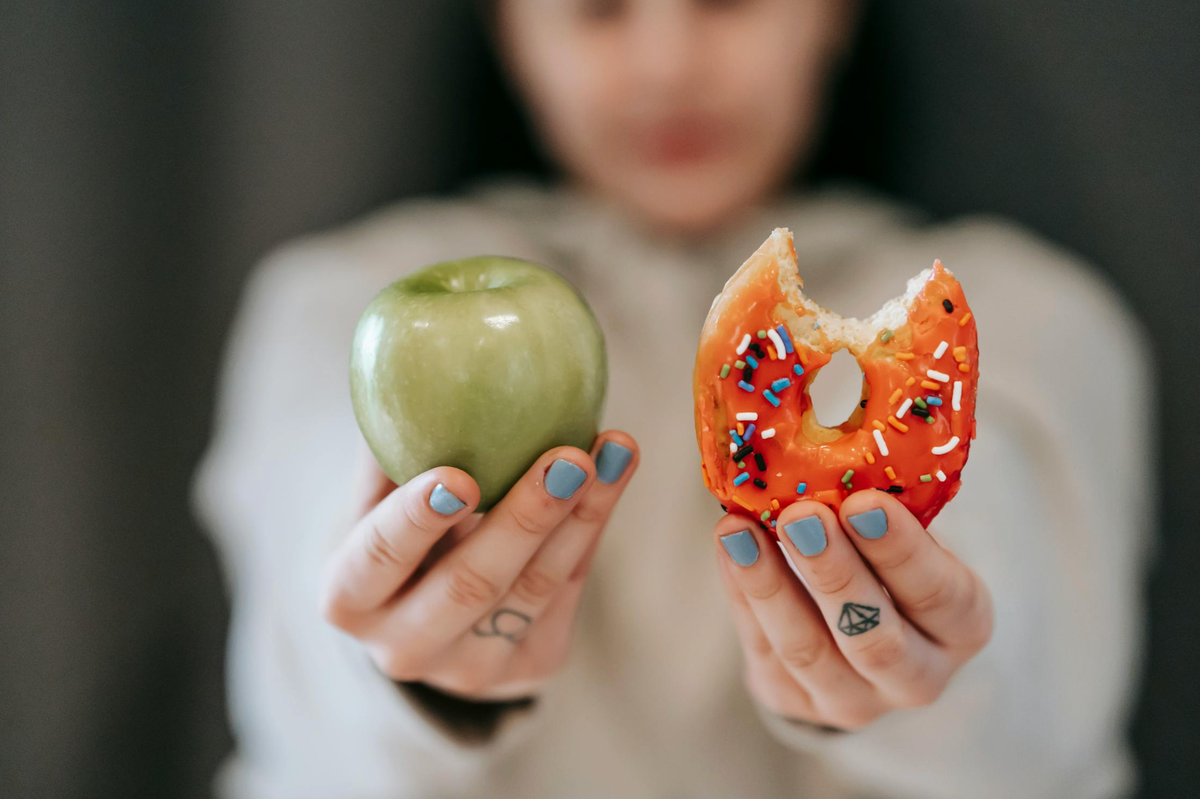
My take: there is so much noise and conflicting information about food right now. Nearly everyone agrees American diets have become problematic, but blame is spread in a myriad of directions. The billion dollar wellness industry focuses on selling quick fixes marketed towards individual consumers — just take this supplement, try this diet, or cut out these particular foods, and your problems will be solved. The MAHA movement gets some things right — recognizing the impact of ultraprocessed foods and bringing the problem of American nutrition to national attention. But it also misses the mark by villainizing individual ingredients, celebrating removing food dyes from fruit loops, fries made in beef tallow (animal fat), and Coca Cola made with cane sugar as health “wins.” Switching around the ingredients in these ultraprocessed foods isn’t going to make them healthy. Perhaps the real problem is in America, it is so much easier to buy fries, fruit loops, and soda than it is to buy less processed foods.
In this chaotic environment of confusing and conflicting messages, this book provides a grounding look on what emerging nutrition science actually says, scientific questions that still need answering, and where we should go from here. Worth the read.
*Nobody asked me to write this, and please do not ask me to write an article about your book. I will only share books that I think are genuinely worth it, and won’t do solicited or sponsored posts. I am in residency, and don’t have time to read books I’m not actually interested in.
Kristen Panthagani, MD, PhD, is completing a combined emergency medicine residency and research fellowship focusing on health literacy and communication. In her free time, she is the creator of the medical blog You Can Know Things, available on Substack and youcanknowthings.com. You can also find her on Instagram and Threads. Views expressed belong to KP, not her employer.