5 Logical fallacies in the era of RFK Jr.

How do we address the firehose of inaccurate information that is flooding the internet right now? It’s tempting to try to play whack-a-mole, tackling one rumor after another, and there is certainly value in addressing individual claims.
But emerging research shows a better (and less exhausting) method: “prebunking” — or teaching people to recognize the falsehood before they encounter them — is a very effective tool. If you can teach people to recognize the common rhetorical tricks that are used to sell falsehoods, they can identify them for themselves in the wild, instead of relying on scientists and doctors to chase down every individual claim, meme, or video (which is impossible).
With that, here’s a prebunking lesson for you.
Logical fallacies are at the root of many inaccurate health claims
Much of inaccurate health information sounds true because it uses common errors in reasoning called logical fallacies. These are short cuts in thinking — statements that seem true on the surface, but are often oversimplifications. We all use them (and fall for them) from time to time, but once you recognize the pattern, it’s easier to identify when a claim doesn’t actually hold up to scrutiny.
RFK Jr. gravitates towards these in his messaging — here are a few common ones that have been used over and over again.
Appeal to nature fallacy
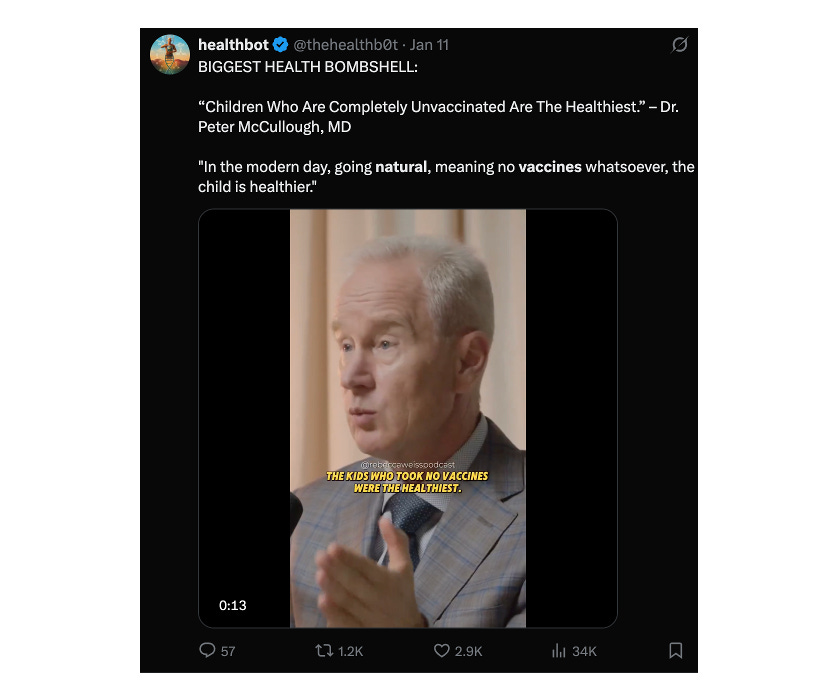
The appeal to nature fallacy assumes that because there are so many good things that come from nature, things from nature are always better than things that are human-made. This is of course untrue, as there are many bad things that come from nature (like hurricanes, arsenic, and viruses) and many good things that are human-made (like breakfast tacos).
This fallacy is appealing because it often is true that natural is better (vegetables are definitely healthier than junk food, for example). The error in reasoning comes from assuming the “natural” label is enough to say it’s better without additional evidence.
Examples of this fallacy in action:
- Natural immunity is better than vaccine-induce immunity.
- Raw milk is better than pasteurized milk because it’s more natural.
- Natural remedies like vitamin A are better that the MMR vaccine.
- Naturally occurring pesticides or food additives are safer than human-made ones.
The false dichotomy
What really led to the decline of measles in the twentieth century — was it the measles vaccine, or better sanitation, nutrition, and medical care generally?
The answer is: both. This question sets up a fight that doesn’t need to happen, making people unnecessarily choose between two options, when in fact more options exist. This is a false dichotomy fallacy in action, which inaccurately splits complex issues into either/or answers, making both answers incomplete.
Other false dichotomy examples include:
- Do children need vaccines or a healthy diet? (They need both!)
- If a vaccine doesn’t prevent 100% of infections, it doesn’t work (third, accurate option is missing: they reduce risk of infection.)
- You either support medical freedom or forced vaccination (more nuanced options exist.)
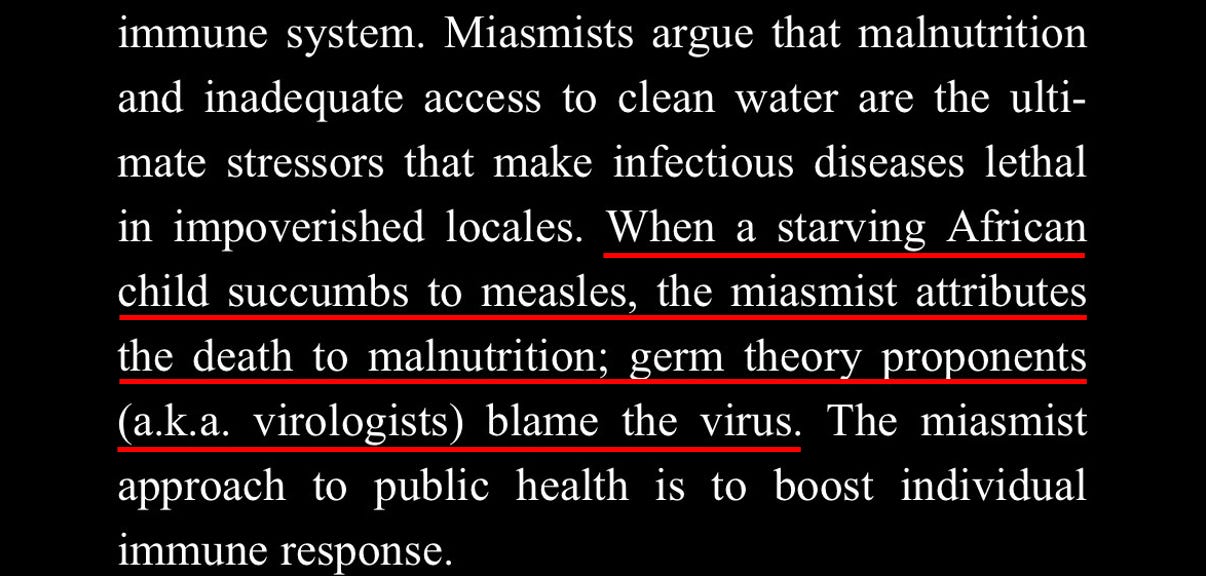
Ad hominem fallacy
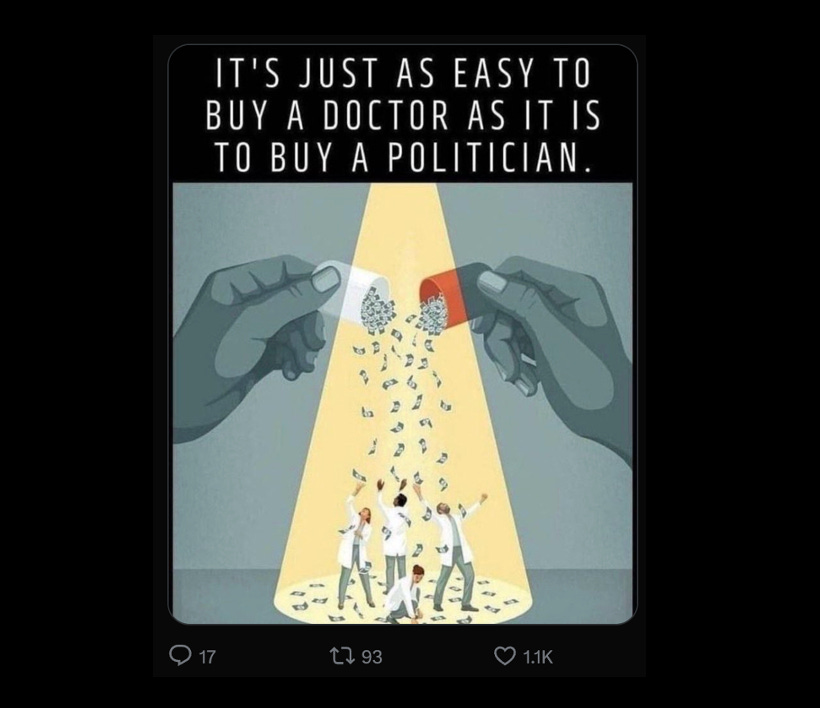
“Pharma shill!” “Doctors are all corrupt and just want to make money off keeping you sick!” These are examples of the ad hominem abusive fallacy. One of the most common logical fallacies online, this logical error pivots away from talking about the scientific question under discussion and starts attacking the person making the argument instead.
RFK Jr. has used this fallacy extensively, sowing distrust in medical institutions by claiming they are “corrupt” and in bed with pharma, and telling people to stop trusting experts and doctors because they are part of a corrupt system. While corruption certainly exists in specific situations, making sweeping conclusions about all doctors, experts, or institutions (without specific evidence to back up the claims) makes this argument logically flawed.
Common sense fallacy
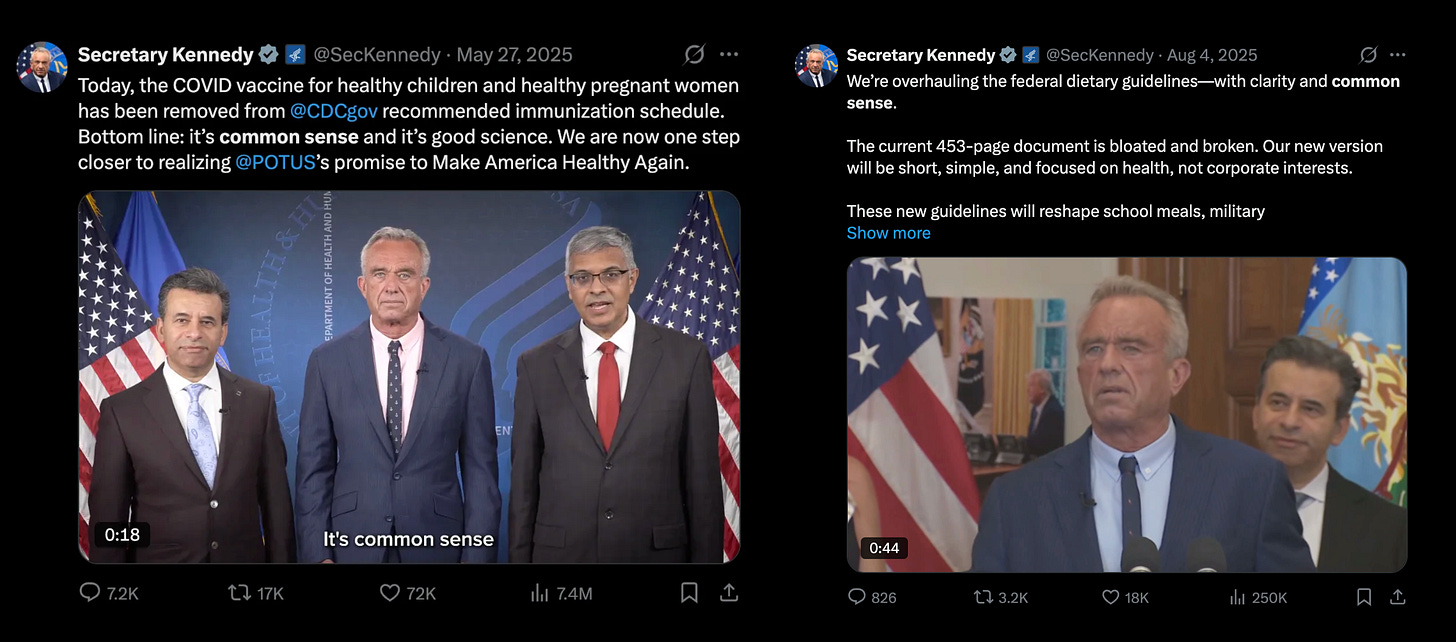
The common sense fallacy argues a claim is true because it seems true or lots of people believe it’s true or it’s just common sense, without providing additional evidence to back it up.
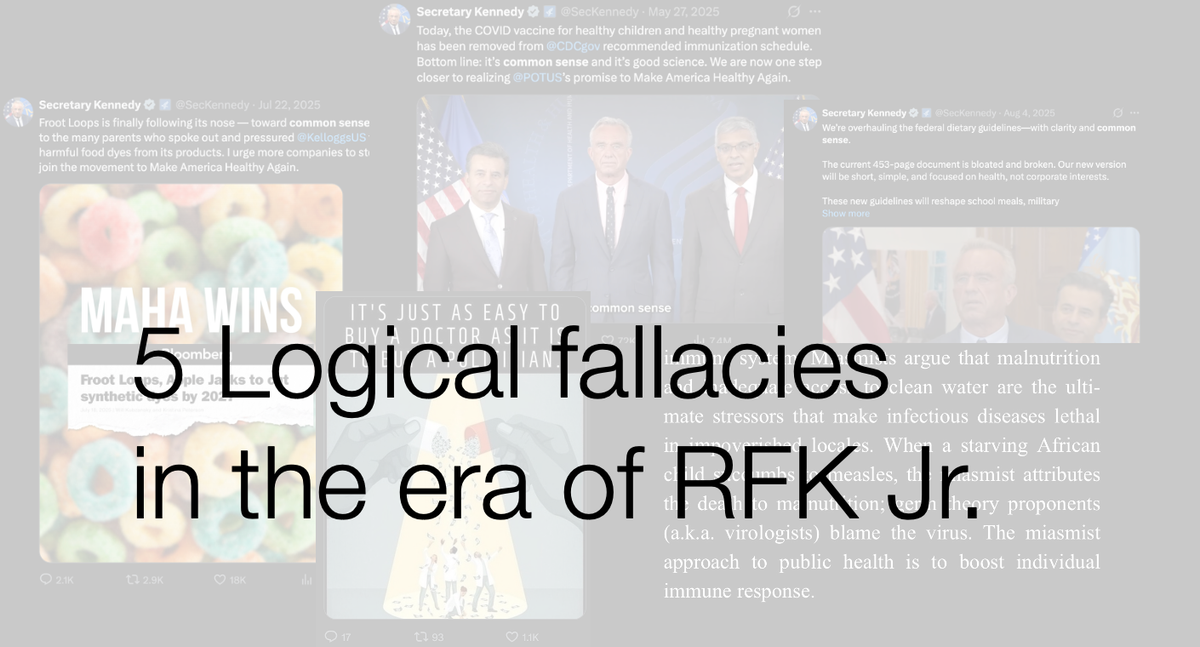
This fallacy is appealing because it takes complicated issues and makes it seem as if the right answer can be discerned by simply trusting your intuition, rather than doing the hard work of digging into the evidence. For complex health issues, this “it’s just so simple” messaging is very persuasive, but logically invalid. This fallacy is commonly used in RFK Jr’s messaging:
The post hoc fallacy
The post hoc fallacy assumes that if one event came after another, the first event must have caused the second (without providing additional evidence). This is a version of the “correlation implies causation” argument. But the world is a busy place, and two events may happen in succession without an actual connection between them.
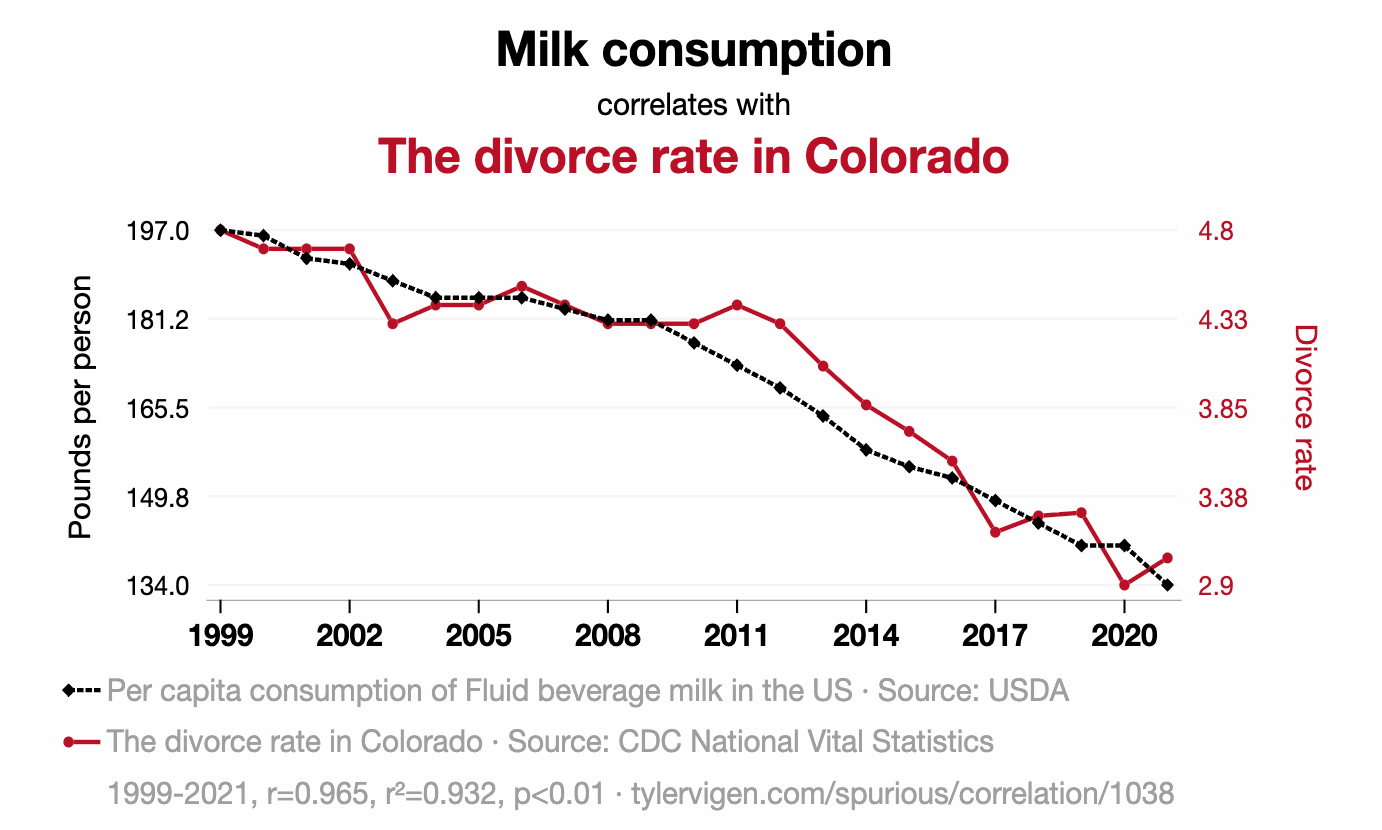
The post hoc fallacy has been used extensively in sowing distrust in vaccines:
- Claiming that if a child develops autism sometime after getting vaccinated, the vaccine was to blame.
- Claiming that because chronic childhood illnesses have increased along with the number of vaccines in the childhood vaccine schedule, that shows children are getting too many vaccines.
- Claiming deaths after vaccination prove the vaccine caused the death (watch the video below for a deep dive into that one.)
Link to video on YouTube and Instagram if you’d like to share it.
Playing whack-a-mole with inaccurate health claims is exhausting, and at a point futile. Instead, try teaching people the rhetorical tricks that are used to spread these health rumors. Many people want to be empowered to do their own research into health information, and teaching them to recognize these logical errors is one powerful way to help them do that.
Was this post helpful? If so, I will do a round 2 of logical fallacies, let me know!
Kristen Panthagani, MD, PhD, is completing a combined emergency medicine residency and research fellowship focusing on health literacy and communication. In her free time, she is the creator of the newsletters You Can Know Things and The Public Health Roundup. You can also find her on Instagram, Threads, and LinkedIn. Views expressed belong to KP, not her employer.